
By SK Lo
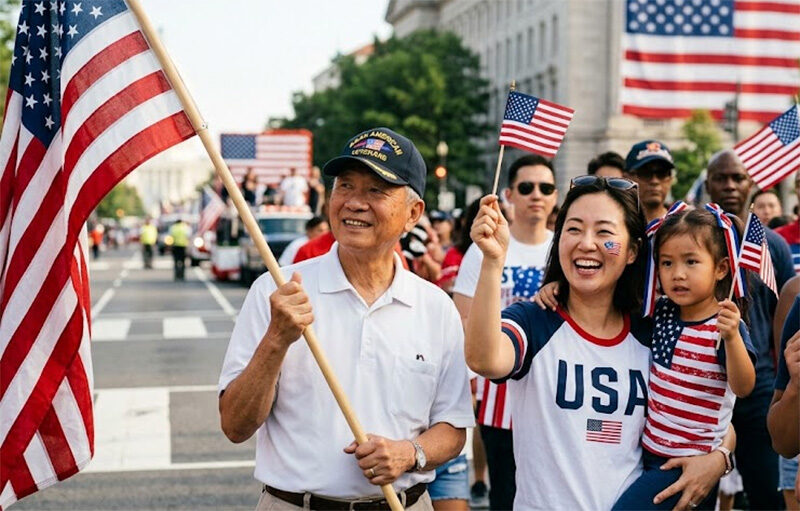
For many of us who have lived in the United States for decades, this country is not simply where we reside, it is where we built our lives. We arrived as students, pursued higher education, built careers and businesses, raised families, and became part of the fabric of our communities. Over time, we became “Americanized” not by abandoning our heritage, but by embracing the values we believed defined this nation: fairness, opportunity, dignity, and the rule of law.
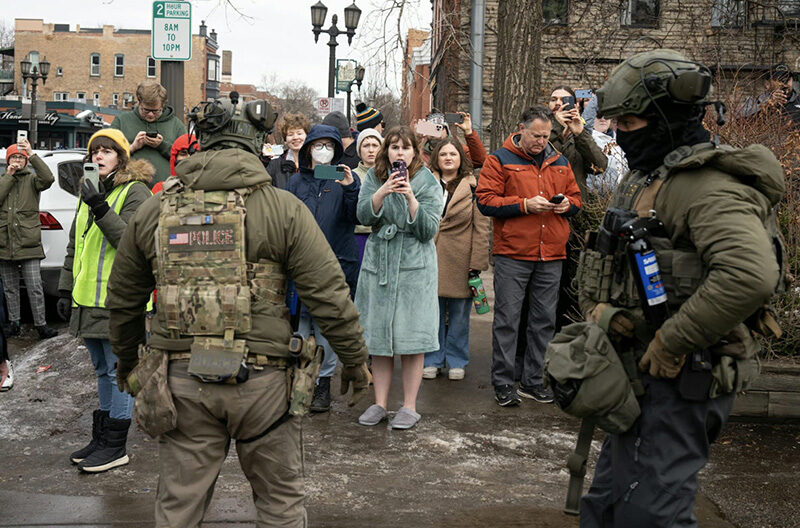
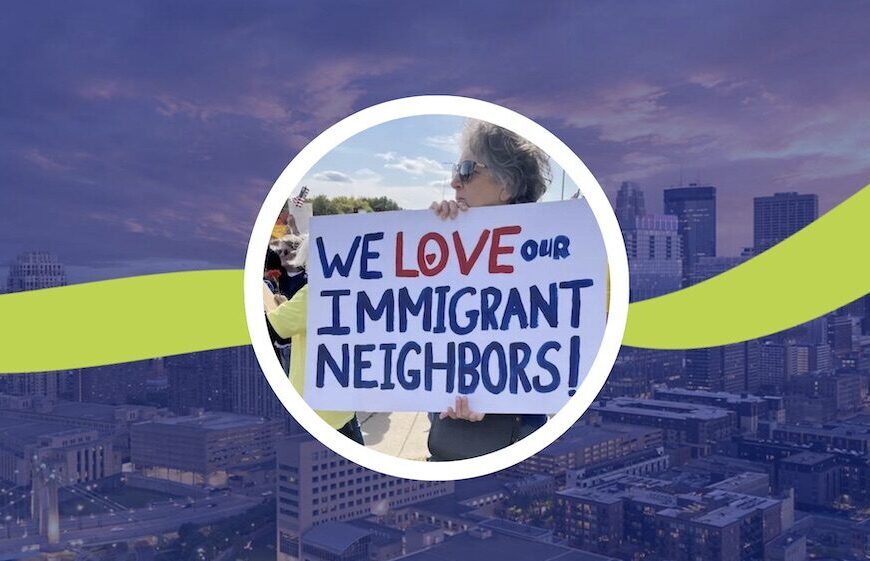
That is why the recent ICE deployment in Minnesota has shaken so many to the core. What unfolded here was not routine enforcement. It was a display of militarized force that treated peaceful protestors like criminals, left a couple U.S. citizens dead, and tore hundreds of people from their families. Entire neighborhoods were thrown into fear. Workers stayed home. Children were kept from school. Festivity for the Lunar New Year was postponed. The sense of safety that anchors daily life evaporated overnight.
The official justification, that ICE is targeting “illegal immigrants with criminal records,” has collapsed under the weight of reality. When citizens are killed, when bystanders are injured, when families are separated without due process, the narrative no longer holds. What we witnessed went far beyond the stated mission. It was a demonstration of unchecked power, one that disregarded constitutional protections and ignored the humanity of the people affected.
And yet, the impact has reached far beyond those directly targeted. Regardless of immigration status, everyone feels the consequences. Long‑time residents, naturalized citizens, green card holders, and U.S.-born children all share the same fear. This moment has revealed something profound: our society is deeply interdependent. When hundreds of people disappear from workplaces, the effects ripple across industries, schools, hospitals, and neighborhoods. Minnesota’s economy and community life depend on the very people now being treated as disposable.
In the midst of this fear, Minnesotans have responded with remarkable creativity and moral clarity. On Bde Maka Ska, formerly Lake Calhoun, volunteers carved a massive SOS signal into the snow and illuminated it with candles, transforming the frozen lake into a glowing beacon visible even at night. On Lake Nokomis, near the airport, another group created a bold “ICE OUT” message, also lit by candlelight. These installations are more than artistic expressions. They are declarations of unity, distress signals from a community under pressure, and reminders that even in the coldest moments, literally and figuratively, Minnesotans refuse to be silent.
Alongside these visual symbols, something unexpected has emerged: a lighter, hopeful side of resistance. Minneapolis has been nominated for the Nobel Peace Prize, a recognition rooted in the city’s sustained commitment to nonviolent civic engagement and community healing. And at rallies across the Twin Cities, a singing resistance group has become a source of comfort and courage. Their harmonies—sometimes solemn, sometimes playful—cut through the tension and remind people that joy, too, is a form of defiance.
These expressions of solidarity interrupt the narrative of fear. They show that people are not powerless. They show that peaceful resistance can be bold, beautiful, and impossible to overlook. And they show that Minnesotans refuse to let fear define who we are.
So how do we fight the fear that ICE has instilled?
We begin by naming it honestly. Fear is not a sign of weakness. I is a rational response to state actions that violate norms and expectations. But fear cannot be allowed to dictate our future. We fight fear by refusing isolation. Fear grows in silence, but it shrinks when people gather, speak, and support one another. Community meetings, interfaith vigils, neighborhood networks, and cross‑cultural coalitions are not symbolic gestures—they are protective structures.
We also fight fear by insisting on the rule of law. Even when political institutions feel corrupted or overwhelmed, the principles remain: due process, judicial oversight, constitutional limits on state power. These are not abstract ideals; they are the safeguards that protect every person living in this country. When we defend these principles, we defend ourselves.
Most importantly, we fight fear by remembering who we are. Immigrants have always been part of the American story. We have contributed to the economy, enriched the culture, and strengthened the social fabric. We belong here—not because of paperwork, but because of the lives we have built and the communities we sustain.
The SOS and ICE OUT installations, the singing resistance group, and the global recognition of Minneapolis all capture this truth. They are reminders that even in moments of crisis, people can choose solidarity over silence. They are a testament to the resilience of communities who refuse to be intimidated. And they are a promise that we will continue to stand together.
Fear may be powerful, but it is not final. What is final is the courage we choose, the solidarity we build, and the justice we demand. Minnesota has survived many winters. We will survive this one too, not by hiding, but by standing together.