By SK Lo, Board Chair AAUC
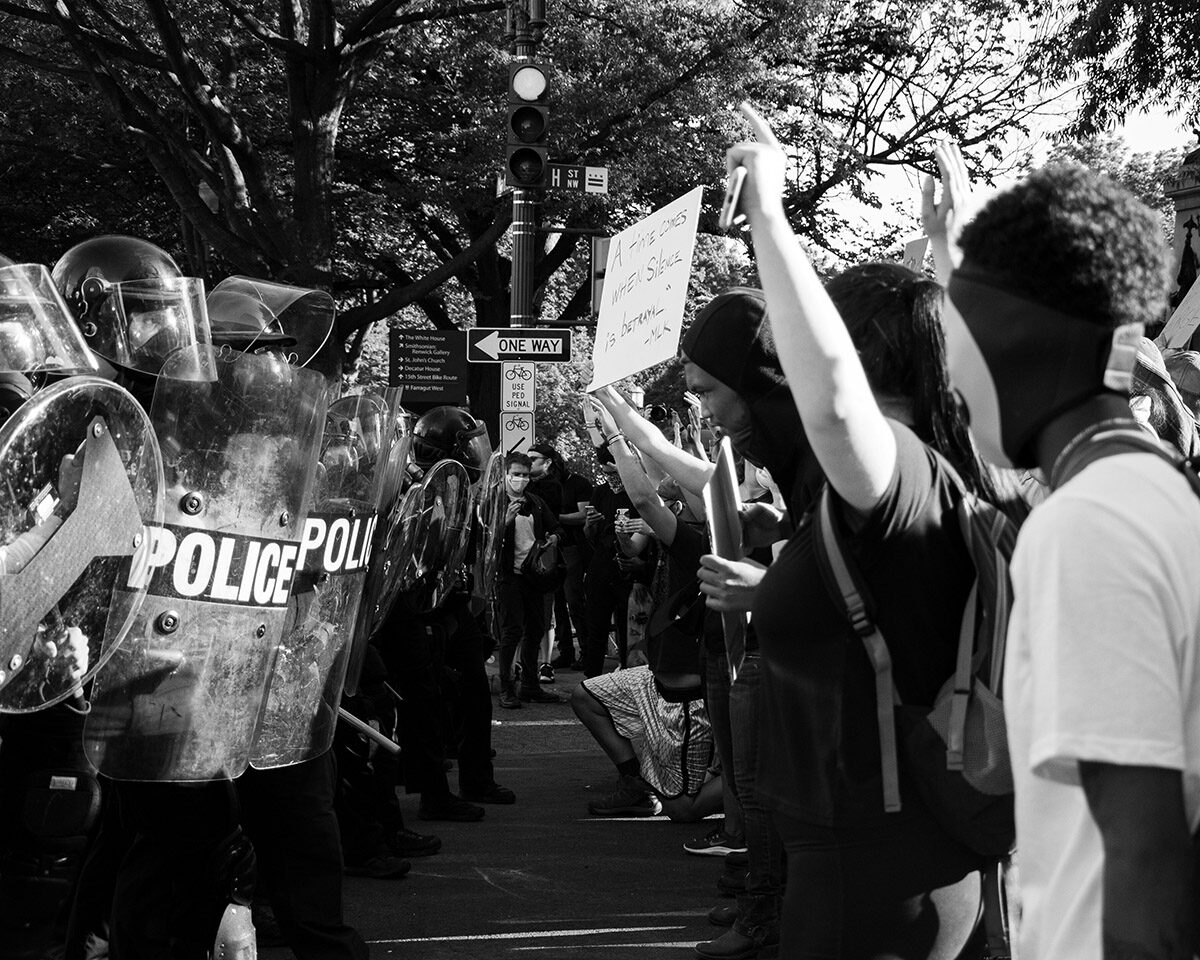
In 2026, streets across the world became stages for public frustration. The causes are different, but the breadth of the unrest is difficult to ignore. The No Kings protests in the United States have challenged presidential power and government policies. Demonstrations in the Philippines have focused heavily on corruption and accountability. Indonesian protesters have raised concerns about rising living costs, corruption, government priorities and environmental crises. In Japan, large demonstrations have opposed constitutional changes affecting the country’s postwar commitment to pacifism. Across parts of Europe, rising housing and living costs, energy prices, deteriorating public services and dissatisfaction with government have brought people into the streets.
The demands are different, yet beneath them lies a surprisingly similar question:
Is our economic and political system still working for ordinary people?
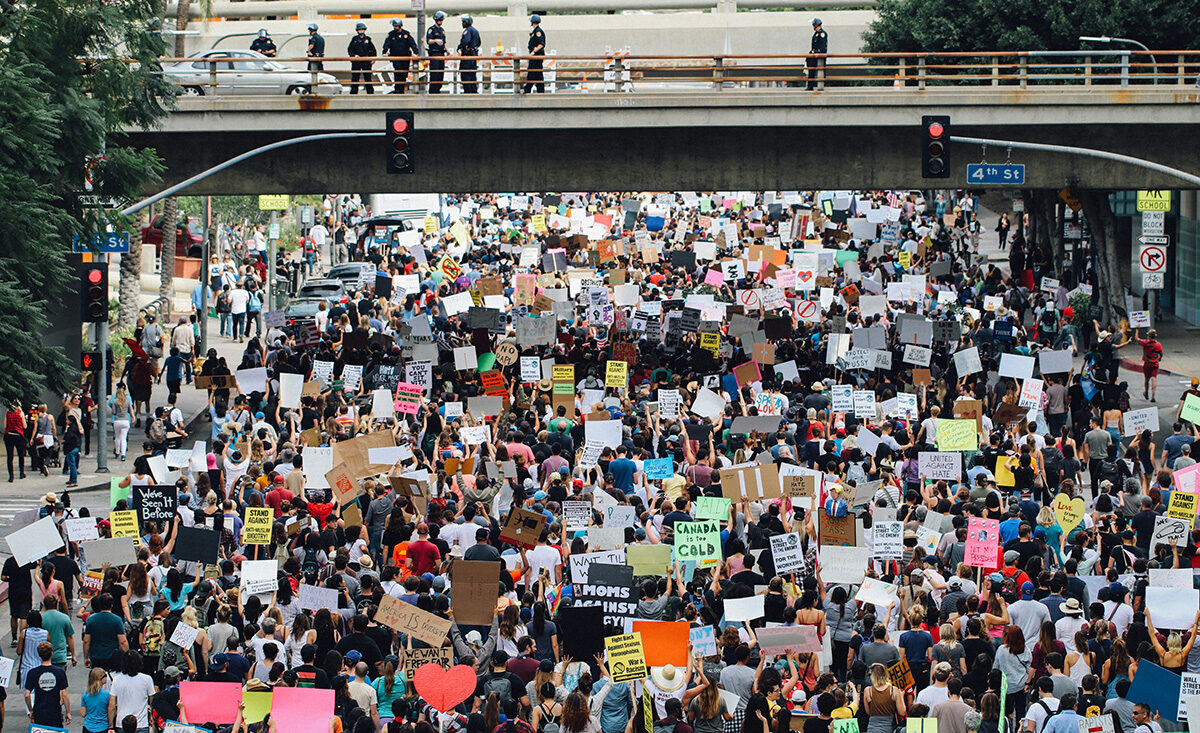
Photo credit: Alex Radelich, Unsplash
Why Do People Take to the Streets?
People usually do not leave their homes and families simply because they have some free time. Protest requires motivation. It begins when private frustration becomes a shared grievance and enough people conclude that normal institutions are not adequately responding.
Unemployment can certainly contribute. Yet research suggests the relationship is more complicated than unemployed people simply having more time to demonstrate. Severe economic hardship can actually discourage political participation, while deteriorating economic prospects and the perception that many others are suffering can encourage mobilization.
Perhaps what matters most is the combination of anger, insecurity and loss of trust.
Inflation adds to that insecurity because people experience it every day through food, housing, transportation, healthcare and energy costs. Inequality intensifies resentment when citizens believe that affluent or politically connected groups are protected while ordinary families shoulder the burden.
Corruption is especially destructive because it undermines something even more valuable than money: trust.
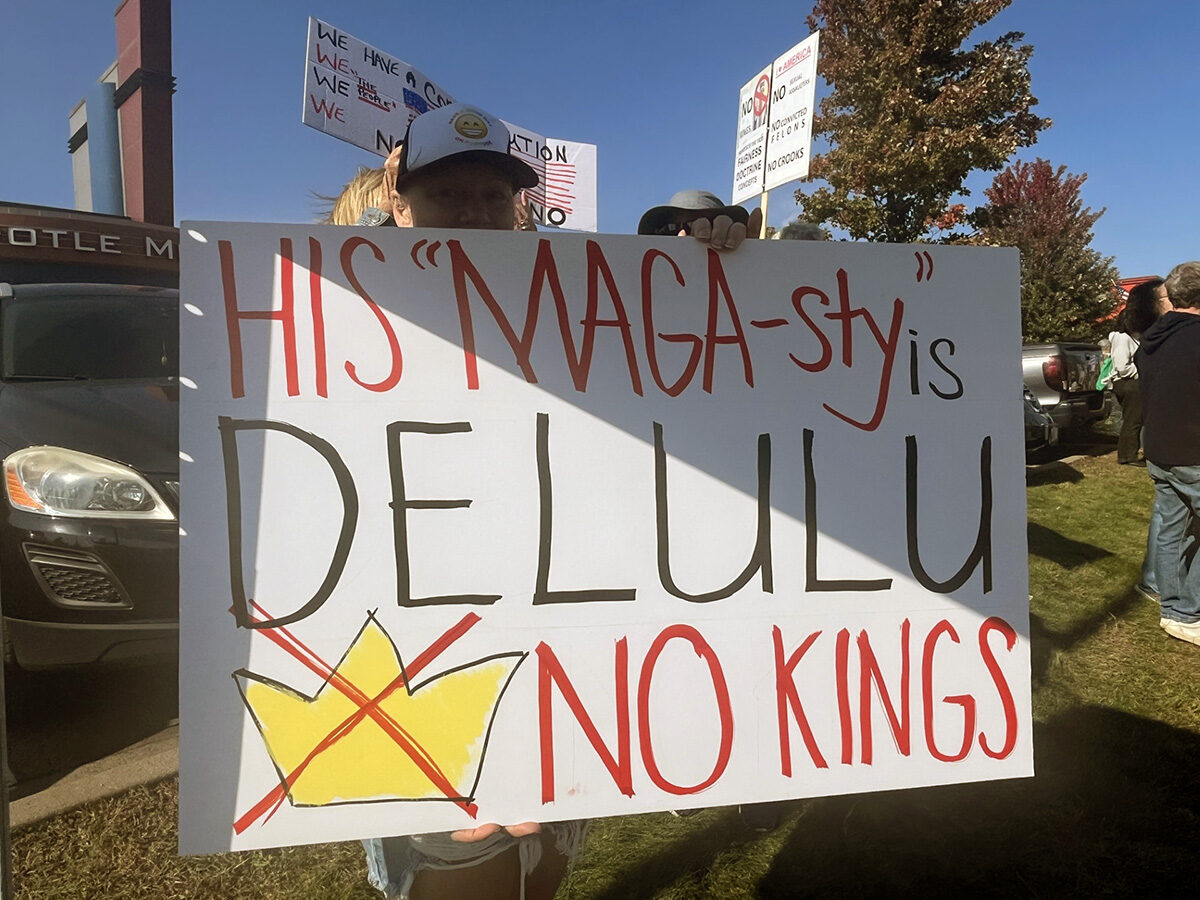
Photo credit: SK Lo
Why Do Some Countries Avoid Mass Demonstrations?
Does the absence of demonstrations mean that those countries are better governed or that their resources are distributed more fairly?
Sometimes perhaps. Governments that provide reasonable economic opportunity, effective public services and credible channels for resolving grievances may prevent frustration from reaching the breaking point.
But the absence of protest does not necessarily mean satisfaction. People may trust elections or other institutions to produce change. In other places, they may believe protesting accomplishes little.
Therefore, perhaps the better measure of successful governance is not whether people protest, but whether people believe the system listens to them and can correct itself.
Wars, Technology and the Distribution of Prosperity
Wars add another strain. They consume enormous resources, disrupt trade and energy supplies, and force governments to make difficult decisions between defense and domestic priorities. Technological advances and artificial intelligence can create tremendous wealth and productivity, but people understandably ask who will receive the benefits and who will bear the disruption.
We may therefore have both a wealth-creation problem and a wealth-distribution problem.
The world possesses extraordinarily productive capacity and technological knowledge. Yet if housing is unaffordable, education and healthcare are increasingly expensive, and secure jobs difficult to find, statistics showing economic growth offer little comfort to struggling families.
Does Changing Political Parties Solve the Problem?
The U.S. midterm election on November 3 gives us an interesting window into this question. As of November 4, results are still being counted and ultimately require certification, so conclusions about final outcomes should remain cautious.
However, CBS News exit polling indicates that economic frustration played an important role. Voters who considered the economy bad favored Democrats for the House, inflation remained a hardship for many voters, and voters who said their finances were worse than two years ago favored Democrats. The polling also found dissatisfaction with the administration’s immigration policies.
This illustrates one of democracy’s greatest strengths: the ballot box provides a peaceful outlet for dissatisfaction.
But changing parties does not automatically produce better governance. Today’s opposition becomes tomorrow’s government, and then it must confront the same difficult questions of budgets, immigration, energy, trade, technology, war and competing demands for limited public resources.
The important question may therefore be less who governs than how well we govern.
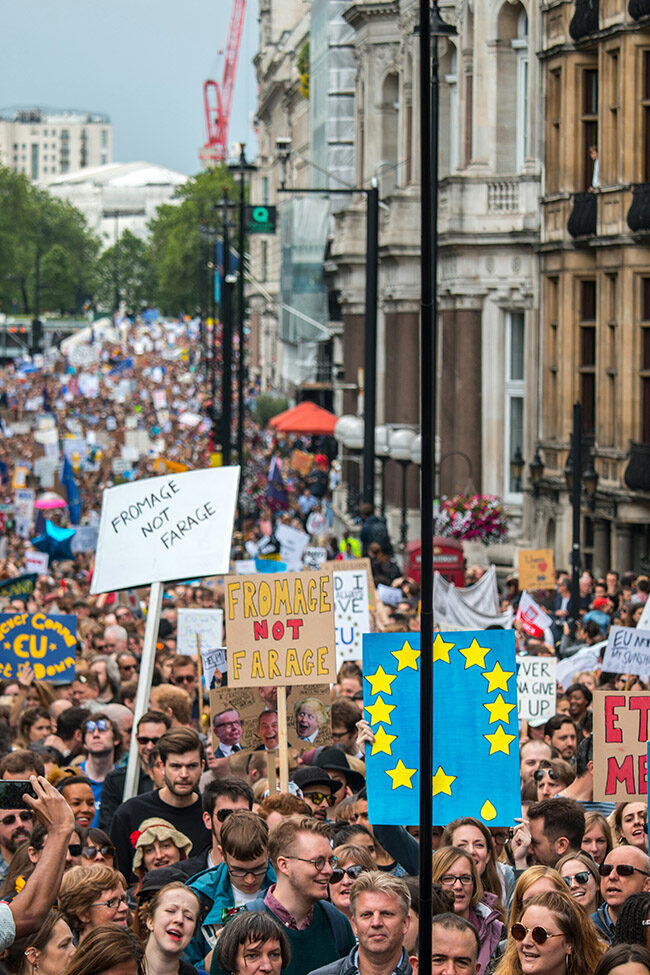
Photo credit: Matt Brown, Unsplash
Immigration: Cause or Symptom?
Immigration has become an underlying source of political tension in both the United States and Europe. It can place real pressures on housing, schools and public services, particularly when governments fail to adjust capacity. But immigration can also become an easy explanation for economic problems whose origins are far more complicated.
In Europe, some political leaders have explicitly connected immigration to housing shortages and social unrest, while the demonstrations themselves have included much broader grievances involving living costs, education and deteriorating public services.
The challenge, therefore, should not be reduced to being “for” or “against” immigration. Countries need immigration policies that citizens perceive as lawful, orderly, humane and sustainable, while recognizing the contributions immigrants make to their adopted countries.
What Should We Hope For?
For Asian Americans, this moment should have a particular meaning. Many of our families came to America seeking opportunity, education, security and freedom. Some carry memories of poverty, war, political upheaval or discrimination. We therefore understand both the promise of America and the importance of protecting the institutions that make that promise possible.
Our responsibility should not simply be to decide which political camp to join.
We can instead help bridge differences, reject the scapegoating of immigrants or other groups, demand accountability from leaders of both parties, participate in elections and civic institutions, and advocate for economic opportunity that is more broadly shared.
Perhaps the great divide of our time is becoming less about left versus right and more about those who believe the system works for them and those who believe it does not.
When too many citizens enter that second group, frustration eventually moves from the dinner table to the ballot box and, sometimes, into the streets.
Better governance cannot eliminate inequality, migration, technological disruption, economic competition or war. But it can distribute their burdens more fairly, explain difficult choices more honestly, create broader opportunity and restore confidence that government remains accountable to its people.
Perhaps the question we should be asking is not:
“Which political party can save us?”
But rather:
“What kind of society are we willing to build together, and what responsibility are each of us willing to accept to make it work?”