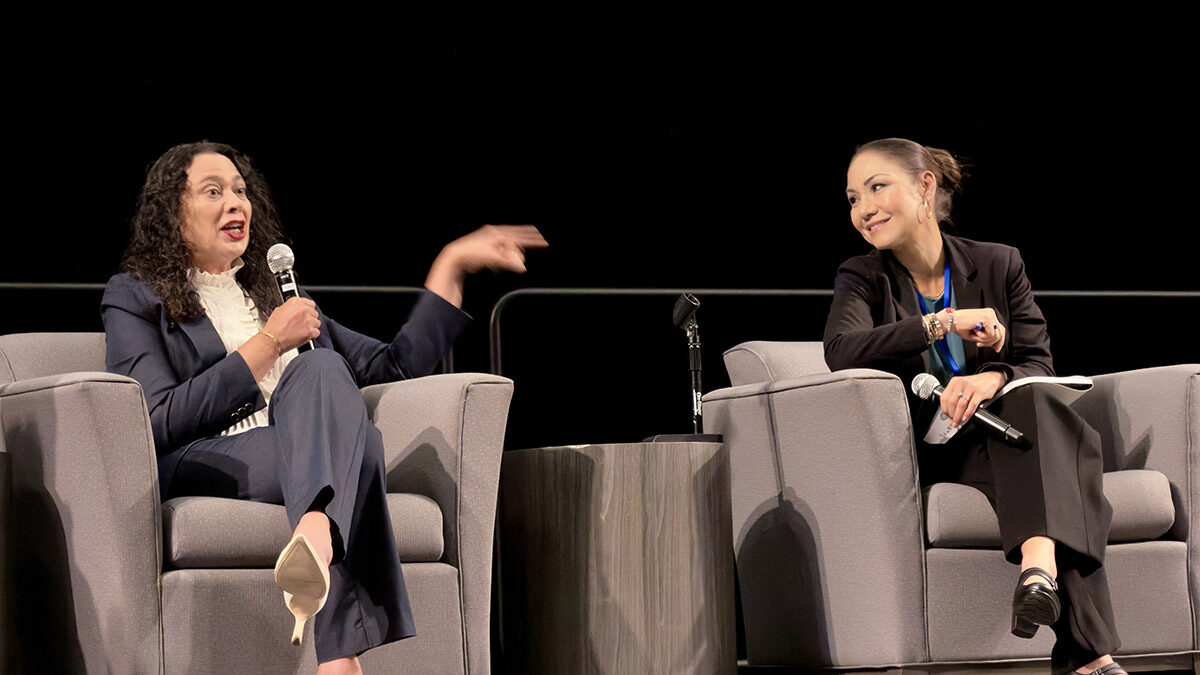
By Dr. SK Lo, AAUC Board Chair
The 2026 AAUC Sacramento Unity Summit on October 7 at California State University Sacramento (CSUS) was a powerful demonstration of what unity looks like when communities come together with purpose, clarity, and shared commitment. With over 300 registrants and more than 200 attendees, the Summit ran smoothly from start to finish, offering a full day of substantive dialogue, coalition‑building, and renewed civic energy.
From the moment registration opened at 8:15 AM, the atmosphere was vibrant. Attendees from across California and the country filled the room, representing more than 90 nonprofits , government agencies, universities, advocacy groups, and cultural organizations (view list).
Organizations that would not normally be drawn to a Summit on Asian American issues saw it fit to attend this one. Among them were the Greater Sacramento Urban League (African American), County of Sacramento Department of Human Assistance, and the League of Women Voters of California. California Attorney General Rob Bonta delivered a recorded message to the general session. The newly appointed Public Health Director for Sacramento County, Dr. Phuong Luu also addressed the Summit. The reason for all this interest was clear. The Summit addressed issues that affected not just Asian Americans but all racial minority communities, which is 65% of California’s population.
One of the most striking aspects of the day was the strong turnout from Sacramento State University. Students and faculty remained engaged throughout the event, attending every major session and contributing thoughtful questions and reflections. Their presence signaled a growing wave of young AANHPI leaders stepping forward to shape civic life. As one student shared simply, “Hello, I’m an undergrad student here at CSUS!”—a reminder that participation itself is an act of leadership.

A Day of Deep Dialogue and Practical Solutions
The Summit’s five major panels addressed some of the most urgent issues facing AANHPI and minority communities. Each session brought together experts whose lived experience and professional insight grounded the conversation in both reality and possibility.
The morning panel on Cost of Living and Affordability, moderated by Sayali Amarapurkar from SEWA-AIFW, explored the economic pressures facing AANHPI and other immigrant households, from rising housing costs to stagnant wages. The panelists included Sean Cremin, Public Policy Institute of California; Rejie Baloyos, Asian Resources Inc.; and Gabriel Young, MOSAIC.
The panel on Access to Healthcare and Public Benefits, moderated by Rajeev Singh of the Hindu American Foundation, examined the far-reaching consequences of H.R. 1, the One Big Beautiful Bill Act, particularly its restrictions on eligibility for Medicaid and food assistance. The panelists included Josh Stehlik, California Immigrant Policy Center; Omar Altamimi, California Pan-Ethnic Health Network; and Sean Atha, Senior VP, Vivant Health.
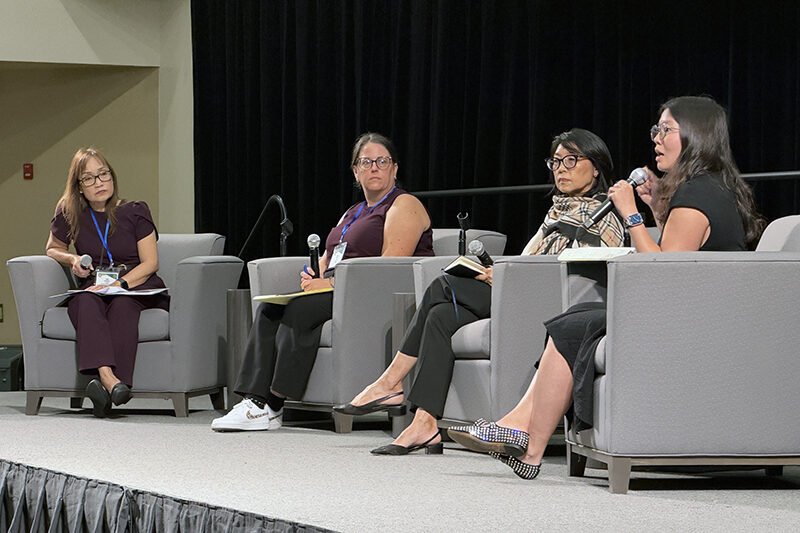
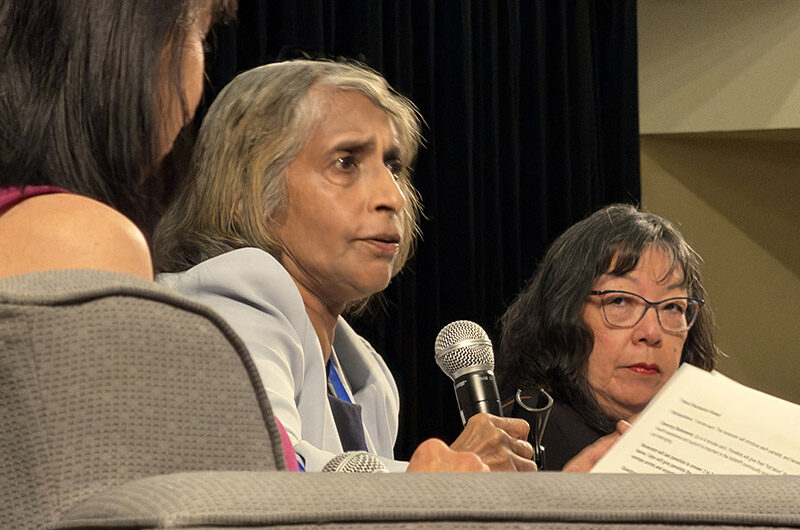
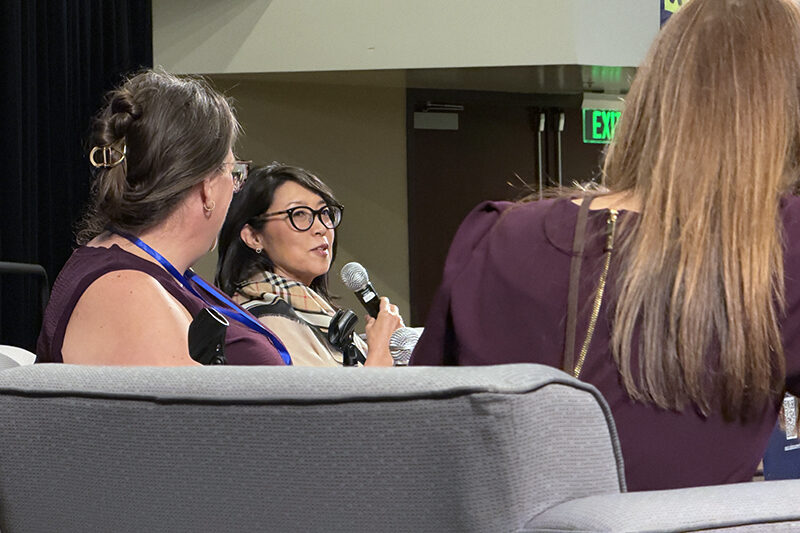
The women-led panels stood out as highlights of the day. The Mental Health, Identity, and Belonging session, moderated by Jeannie Wong of CSUS, was among the most emotionally resonant. Panelists included Dr. Lakshmi Malroutu, Chief Operating Officer of Asian Pacific Community Counseling; Kao Ye Thao, Interim Executive Director of Hmong Innovating Politics; and Mary Nakamura, Health Program Manager for Sacramento County Behavioral Health Services. Attendee Ari Prathap shared a heartfelt reflection: “To hear that I’m seen and that opening up isn’t wrong or bad after all makes me tear up.” Comments like this captured the profound sense of connection and belonging fostered during the session.
The Political Representation and Voting Rights panel, moderated by Maya C. Miller, political reporter from CalMatters, offered clarity, urgency, and concrete steps for action. Panelists included Jenny Farrell, Executive Director of the League of Women Voters of California; Bobbie Singh-Allen, Mayor of Elk Grove; and Quirina Orozco, West Sacramento City Councilmember. Their insights and leadership underscored the essential role women play in shaping civic discourse, advancing political representation, and driving community change.
The panel on Immigration and Protection of Civil Rights examined the administration’s immigration enforcement strategies, including efforts to bypass due process protections and accelerate deportations. Panelists included Cynthia Choi, Co-Executive Director of Chinese for Affirmative Action and Co-Founder of Stop AAPI Hate; Jessie Mabry, CEO of Opening Doors; and Thu Nguyen, Executive Director of OCA National. The discussion highlighted the growing challenges facing immigrant communities and the urgent need for coordinated legal advocacy, community education, and stronger civil rights protections.
The afternoon presentation on the Minnesota Model, delivered by Sayali Amarapurkar, was another highlight. The model’s emphasis on rapid, cross-sector mobilization resonated strongly with attendees, many of whom expressed interest in replicating similar strategies in their own communities. As one attendee from Minnesota shared, “Happy to be here all the way from Minnesota!” It was a testament to the national relevance of the conversation.

Voices from the Community
Throughout the day, attendees shared reflections that illustrated the Summit’s impact. Marielle Fong noted, “Excellent first panel with very practical call-to-action items.” Representatives from Sacramento County’s Department of Human Assistance encouraged students to learn about food assistance programs. Community advocates from Virginia, Minnesota, and local AAPI organizations expressed gratitude for the space AAUC created.
These voices—diverse, candid, and hopeful—served as real-time indicators of the Summit’s success. They reflected not only appreciation for the event but also a readiness to act.
Unity Built Step by Step, Action by Action
In the closing remarks, attendees were reminded that unity is not an abstract concept—it is something built intentionally, through relationships, conversations, and commitments. The Summit confronted complex issues, but it also demonstrated that when communities come together across ethnicity, race, sector, and geography, they can generate solutions that are bold, practical, and rooted in lived experience.
The most important message of the day was simple: The true impact of the Summit will be measured by what each of us chooses to do next.
Attendees were invited to commit to one action—big or small—to support AANHPI and minority communities in the coming weeks. Whether joining a coalition, mentoring a young leader, advocating for policy change, volunteering with a local organization, or amplifying unheard voices, the call to action emphasizes that collective progress begins with individual steps.
Continuing the Work Ahead
Before leaving, participants were encouraged to visit AAUC’s table display, explore the AAPI Hub, and consider joining AAUC as members. Membership strengthens the shared voice and expands the coalition working toward unity, equity, and lasting change.
AAUC will continue producing podcasts, hosting town halls, organizing regional convenings, developing its news portal, and publishing monthly newsletters to keep communities informed and connected. Just as AAUC adapted during COVID with virtual national forums, the organization remains committed to evolving to meet community needs.
A Summit That Sparked Momentum
With strong participation, smooth operations, and renewed dedication to action, the 2026 Sacramento Unity Summit demonstrated what unity looks like in practice. It brought together students, advocates, policymakers, and community members in a shared space of learning and empowerment.
As the reception and cultural performances began, one thing was clear: the conversations started at the Summit will continue—and the commitments made will shape the work ahead.