Dr. SK Lo, Board Chair, AAUC
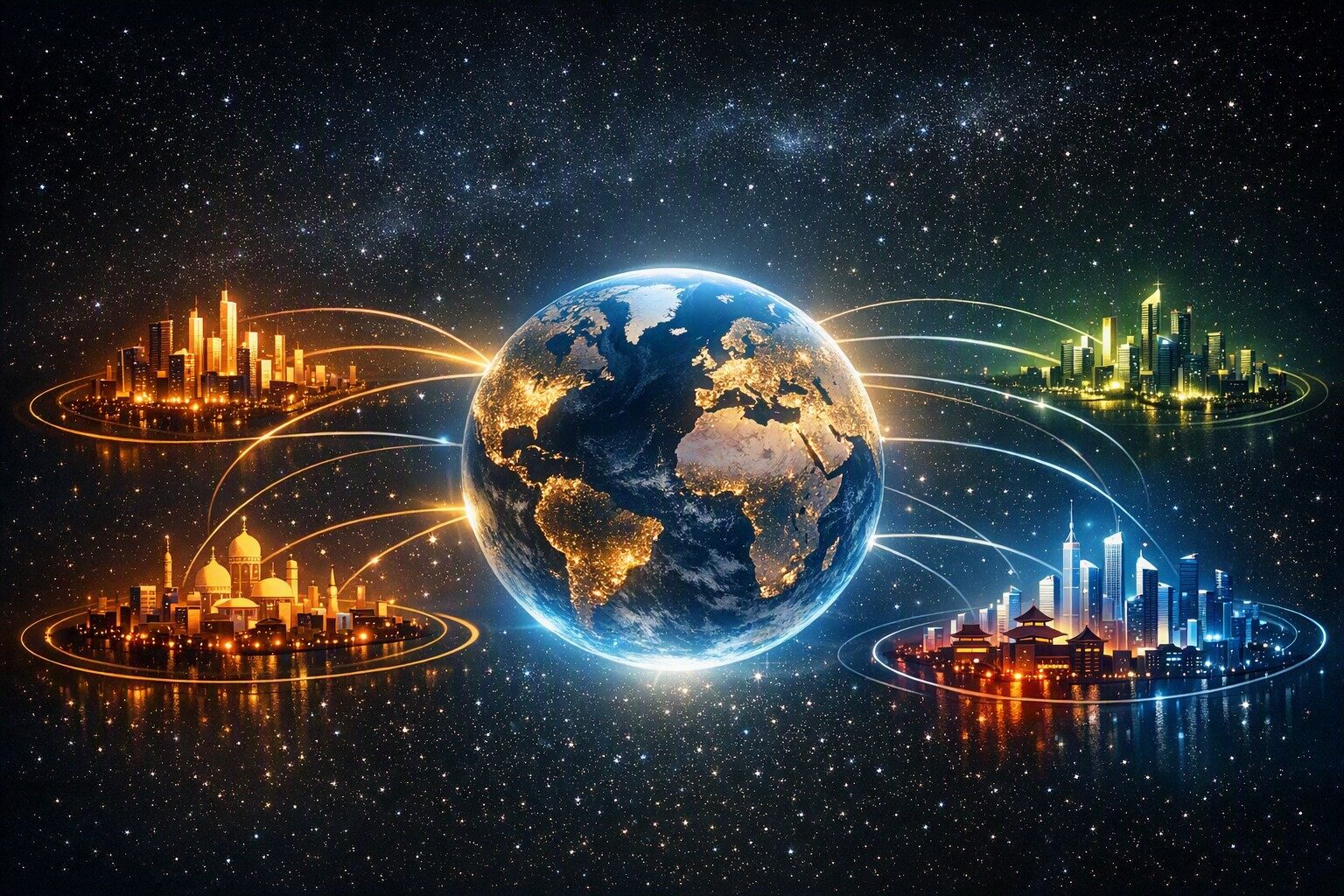
A major shift is underway in global politics, one that has become increasingly clear through the podcasts I’ve been listening to and the conversations I had during my recent extended trip to China. The world is moving decisively toward a multipolar order, where power is distributed among several major states rather than concentrated in one or two. The United States, China, the European Union, India, and Russia now form the primary poles of global influence, with middle powers—from Japan and South Korea to Brazil and the Gulf states—shaping regional dynamics.
This transition is often described as the “birth pains of the multipolar world.” It is a period marked by uncertainty, institutional fragmentation, and geopolitical rivalry. But beneath the turbulence lies a profound opportunity: the chance to build a more balanced, inclusive, and interconnected global system.
The Promise of Multipolarity
A multipolar world is not simply a world with many powerful countries. It is a world where:
- Leadership is shared rather than monopolized.
- Global governance becomes more representative.
- Innovation and cultural exchange flow through multiple hubs.
- Middle powers gain agency and voice.
Political thinkers like Amitav Acharya describe this emerging system as a “multiplex world,” a network of overlapping centers of influence rather than a rigid hierarchy. Economist Wing Thye Woo emphasizes that multipolarity can be beneficial if nations embrace “strategic autonomy, multi‑alignment, and institutional pluralism.”
In practical terms, this means countries cooperate based on shared interests rather than ideological blocs. It means global problems like climate change, pandemics, inequality can be addressed by coalitions rather than by a single hegemon. And it means cultural understanding deepens as societies engage with multiple global centers.
The Birth Pains: Real Challenges Ahead
The transition, however, is not smooth. It comes with:
- U.S.–China rivalry and fears of a Thucydides Trap
- Russia’s assertive role in Eurasia and energy geopolitics
- Institutional strain in the UN, WTO, and global health systems
- Supply‑chain realignments and economic uncertainty
- Nationalist politics and racialized narratives
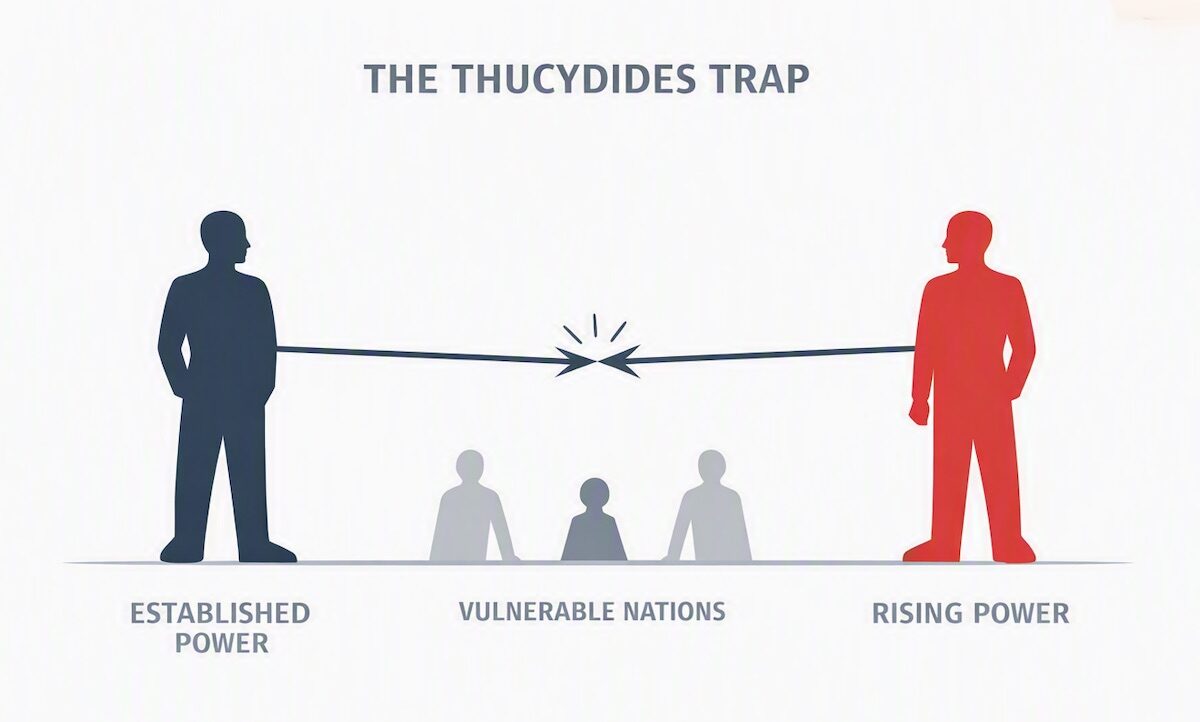
These pressures can create anxiety, especially for diaspora communities. Asian Americans have already experienced heightened suspicion and stereotyping during periods of geopolitical tension. As multipolarity intensifies, these risks may grow.
But birth pains are not destiny. They are a phase and they can be navigated with clarity and purpose.
Why Asian Americans Matter in a Multipolar Future
Asian Americans occupy a unique position in this transition, one that carries both vulnerability and extraordinary potential.
1. Bridge‑Builders Between Worlds
Asian Americans possess cultural fluency, linguistic diversity, and lived experience across continents. This positions them to help the United States engage Asia with nuance rather than fear. They can translate cultural misunderstandings, promote people‑to‑people diplomacy, and encourage cooperative narratives.
In a multipolar world, bridges are more valuable than ever.
2. Champions of Normative Multipolarity
Multipolarity is not automatically good. It can become a world of competing empires—or a world of shared responsibility. Asian Americans can advocate for the latter: a multipolarity grounded in equity, human dignity, and global problem‑solving. This includes supporting:
- Fair trade rules
- Inclusive global institutions
- Anti‑racist domestic policies
- Cross‑cultural education
- Climate and sustainability partnerships
3. Resistance to Racialized Geopolitics
As rivalry intensifies, Asian Americans must reject narratives that cast them as perpetual foreigners or geopolitical pawns. They can assert their American identity confidently, educate communities about the dangers of racialized foreign‑policy rhetoric, and promote cross‑racial solidarity.
4. Leadership in Innovation and Global Collaboration
Asian Americans are central to STEM leadership, entrepreneurship, higher education, and global business networks. In a multipolar world driven by technology and connectivity, these strengths become even more essential.
A Positive Vision of Multipolarity
Imagine a world where:
- The U.S., China, India, Russia, and the EU cooperate on climate, health, and technology.
- Middle powers form coalitions for peace and sustainability.
- Global governance becomes more representative of humanity.
- Cultural exchange flows freely across multiple centers.
- Diaspora communities are celebrated as connectors, not suspected as threats.
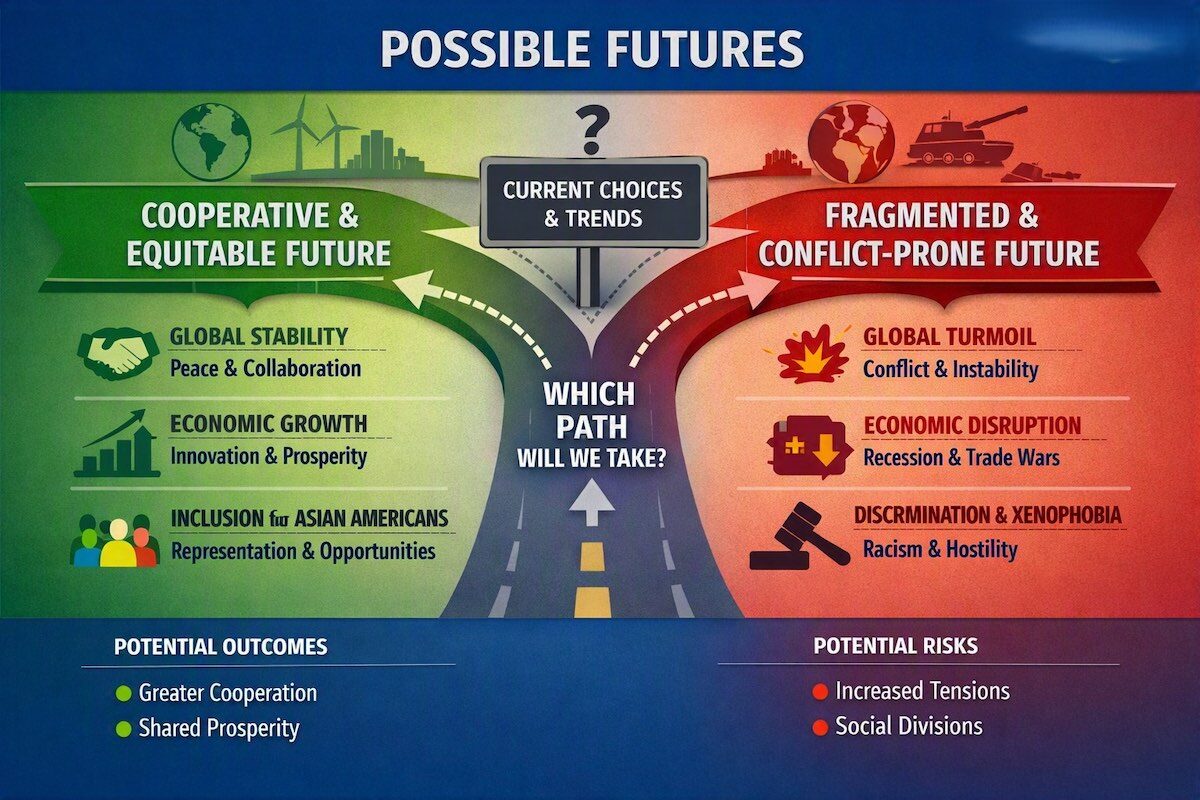
This is not naïve. It is possible if nations choose cooperation over fear, and if communities like Asian Americans help guide the narrative.
How Asian Americans Can Navigate the Birth Pains
Here are five practical pathways:
- Strengthen civic engagement to shape U.S. policy toward Asia and the world.
- Build cross‑community alliances to resist racial scapegoating.
- Promote peace‑oriented narratives that reject zero‑sum thinking.
- Lead in education and cultural literacy for younger generations.
- Support inclusive global governance that gives voice to the Global South.
Conclusion: Asian Americans as Architects of a Better Multipolar World
The multipolar world is coming. Its character is not predetermined. It can be turbulent or cooperative, exclusionary or inclusive, racist or equitable.
Asian Americans have the opportunity to help shape the best version of this future.
By serving as bridge‑builders, advocates for equity, champions of global cooperation, and leaders in innovation, Asian Americans can turn the birth pains of multipolarity into the labor of a better world, one where many powers share responsibility, many cultures share wisdom, and humanity moves forward together.