
By SK Lo
The world we live in today feels different than the one many of us grew up imagining. Power is no longer concentrated in one place, it is spread across many centers, including Washington, Beijing, New Delhi, Brussels, and beyond. This new multipolar reality can feel uncertain, even overwhelming. But for Asian Americans, it is also deeply familiar. We have always lived between worlds, carrying identities that stretch across oceans, histories, and cultures.
That duality has not always been easy. At times, it has meant proving loyalty in the face of suspicion or carrying the weight of stereotypes that never quite fit. Yet it has also been a gift. It allows us to see connections others miss, to hold multiple truths at once, and to remind our country that belonging is not a zero‑sum game. In this moment of global change, that gift is more important than ever.
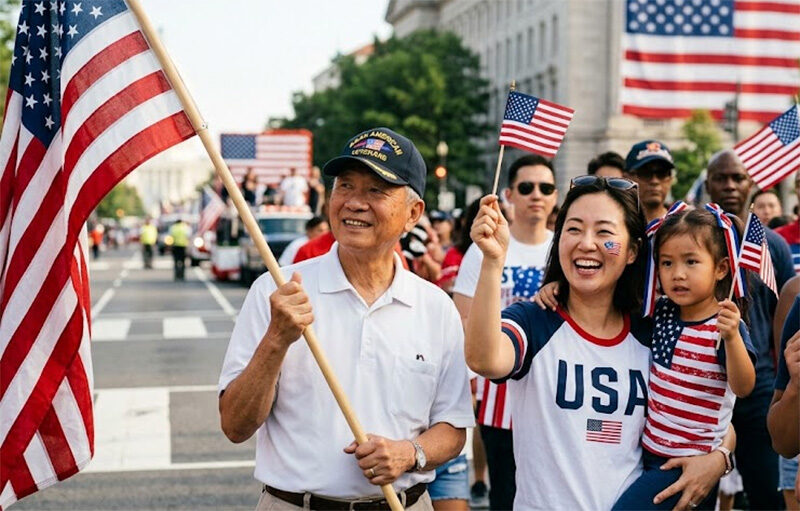
Our history shows us how resilient we are. From exclusion laws to wartime incarceration, from the long march for civil rights to the rise of new immigrant voices, Asian Americans have endured and adapted. That resilience is not just survival. It is a way of navigating uncertainty with courage and creativity. In a fragmented world, where alliances shift and rivalries deepen, our ability to bridge divides is a rare strength.
Asian Americans are not bystanders in this multipolar world. We are connectors, advocates, and visionaries.
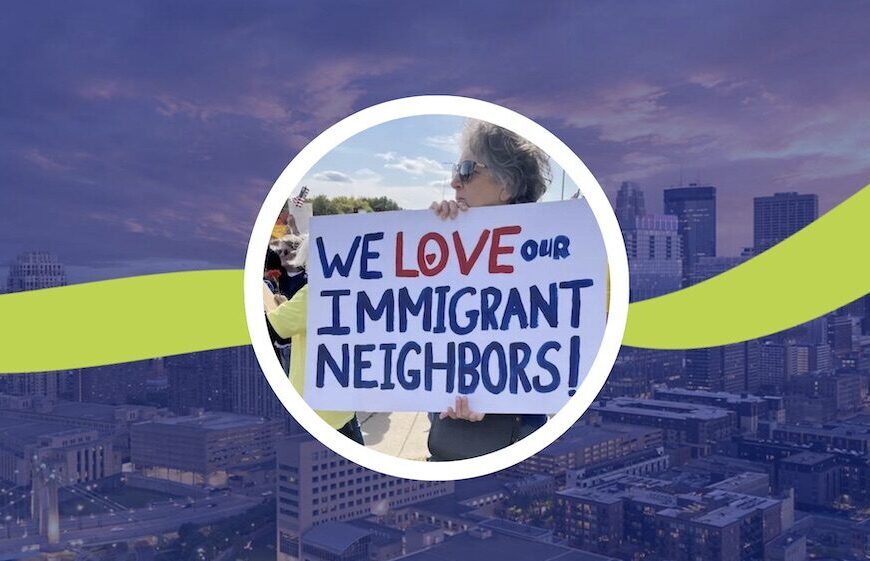
Advocacy has always been part of our story. Multipolarity intensifies debates about immigration, racial equity, and national identity. We know firsthand how global competition reverberates in the lives of ordinary families. That is why Asian American voices matter in shaping policy, not only to protect our communities, but to remind leaders that diplomacy must be rooted in empathy, not fear. And when we build coalitions with other marginalized groups, we strengthen democracy itself.
Memory and education keep us grounded. The stories of Asian American soldiers, activists, and immigrants are not just history lessons, they are guideposts. They remind us that we have always shaped the nation’s trajectory, even when our contributions were overlooked. Sharing those stories in classrooms, in community gatherings, and in the mediahelps others see multipolarity not as a threat, but as an opportunity for cooperation and understanding.
The future belongs to our youth, who already see themselves as global citizens. They are fluent in multiple cultures, comfortable with complexity, and eager to lead. Their voices will carry us forward, not only in cultural spaces but in nonprofits, civic institutions, and national debates. By modeling empathy and cooperation, they can guide the moral evolution of our society toward unity in diversity.
Asian Americans are not bystanders in this multipolar world. We are connectors, advocates, and visionaries. Our role is to remind both the United States and the wider world that strength lies not in dominance, but in cooperation; not in exclusion, but in shared humanity. Multipolarity is not something to fear. It is an invitation to reimagine belonging, justice, and peace.
This is our story, one of resilience, bridge‑building, and hope. And it is a story that belongs not only to us, but to the future of a world learning to live with many centers, many voices, and many possibilities.