
By SK Lo
The Mid-Autumn Festival, also known as the Moon Festival, is a cherished tradition across East and Southeast Asia. Rooted in moon worship and harvest celebration, it honors the full moon as a symbol of reunion, abundance, and reflection. Central to the festival are tales like that of Chang’e, the moon goddess who ascended to the heavens, and the Jade Rabbit, eternally pounding elixirs in lunar solitude.
Growing up in Hong Kong, I experienced the festival in its full vibrancy. Children gathered on public terraces, each carrying handmade lanterns lit with real candles. The air shimmered with color and warmth as we paraded our glowing creations through the night. The scent of mooncakes filled the air, their golden crusts hiding lotus seed paste and salted egg yolks. Families reunited under the moonlight, sharing stories, laughter, and quiet joy.
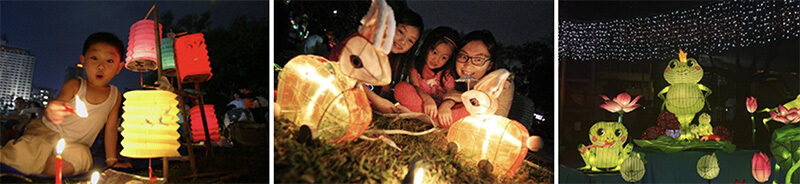
Years later, I am living in Minneapolis and participating in a Mid-Autumn Festival organized by local Asian American associations. While the effort was heartfelt — with performances and manufactured large red lanterns hanging from the ceiling — the atmosphere felt subdued. The magic I remembered was missing: no candlelit lanterns, no spontaneous terrace gatherings, no moon-gazing rituals.
The answer to rekindling that glow lies in intentionality and community. To revive the festival’s essence, we must go beyond surface-level celebration. Lantern workshops, mooncake tastings paired with storytelling, and terrace-style gatherings in public parks can recreate the communal magic.
Even China’s modern Chang’e lunar missions offer a poetic bridge. Since 2007, the China National Space Administration has launched a series of robotic missions named Chang’e, each pushing the boundaries of exploration:
- Chang’e 1–2: Orbited and mapped the moon’s surface.
- Chang’e 3–4: Landed rovers, including the historic far-side landing.
- Chang’e 5–6: Returned lunar samples, including the first from the moon’s far side.

These spacecrafts are engineering achievements and reflect our culture. Just as Chang’e flew to the moon in legend, these missions carry the hopes of a nation skyward. Imagine children crafting lanterns shaped like moon rovers, learning about both the goddess and the robot named after her.
Whether through myth or machine, the moon connects us all. And each year, as it rises full and bright, it invites us to remember, to dream, and to reach.