By Angela Anand, Vice-Chair of AAUC Board and immediate past President of AAUC
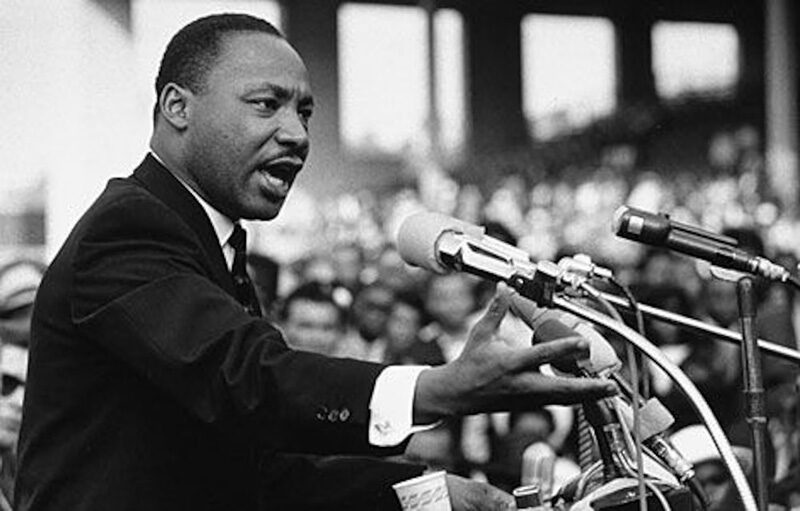
On January 19, 2026, our nation commemorates the day of service in memory of Dr. Martin Luther King Jr., honoring his profound influence on the nation. Dr. King exemplified how moral fortitude and the practice of nonviolence could catalyze transformative societal transformation. His philosophy was deeply rooted in Christian principles and further enriched by Mahatma Gandhi’s doctrine of nonviolence, which itself draws inspiration from the Hindu ‘Sanatana’ philosophy centered on the soul’s aspiration for peaceful existence.
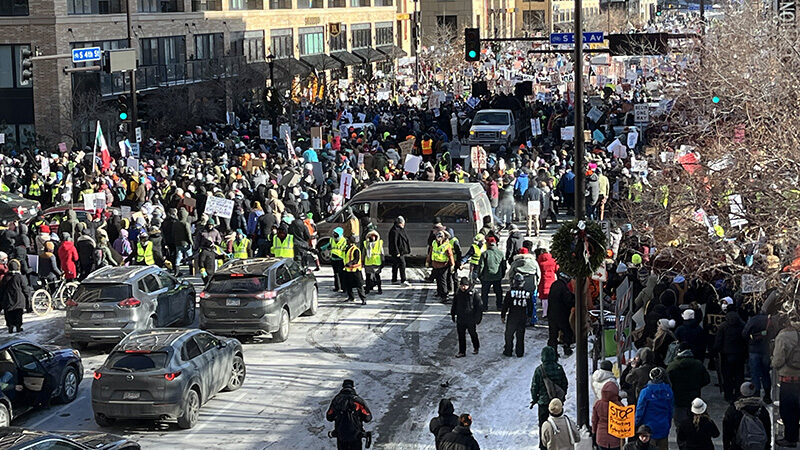
I am also witnessing daily the images of unrest, anger, and profound division that permeate our society. Dr. King’s words resound with renewed urgency. His dream was not nurtured in comfort or tranquility; it emerged during a time of profound injustice, fear, and resistance. Recalling this context reminds me that today’s unrest, while distressing, also reflects unresolved wounds that still demand moral courage and forthright accountability. Numerous families in Iran, Bangladesh, and other global regions are grappling with political upheaval. Additionally, there is unrest in various parts of the world where natural calamities and poverty have wreaked havoc, resulting in people living under challenging circumstances. We also encounter unrest within our own country, where citizens are troubled, and their daily activities are significantly impacted by the presence of federal forces in pursuit of individuals from other nations who were escaping from poverty and residing in this country without proper documentation and legal status. It is widely believed that our systems are strained due to the influx of individuals without legal status, who are depleting our resources.
All these situations, consistently depicted by American Networks, serve as poignant reminders of the enduring principles of Martin Luther King Jr.’s compassion and kindness. This is particularly evident when considering the peace walk undertaken by a group of Buddhist monks and their canine companion, Aloka. Their journey, spanning an impressive 2,300 miles from Texas to Washington, D.C., has garnered widespread media attention and has inspired countless individuals.
Throughout their trek, individuals have joined the monks for specific segments, providing sustenance and support to their noble cause. The monks’ silent walk for peace, compassion, and unity has also captivated the attention of photographers and journalists, who have documented their progress and the profound spirit of their endeavor.
This journey underscores the profound significance of cultivating compassion, fostering unity, and engaging in peaceful actions within our daily lives.
Martin Luther King Jr. firmly believed that nonviolence was not synonymous with passivity, but rather a potent force for transformative change. In moments when frustration spirals into chaos, his example urges us to respond not with silence or anger, but with disciplined compassion and purposeful action. He recognized that justice delayed engenders unrest, yet he insisted that the path forward must preserve our shared humanity. This delicate balance feels particularly challenging in the current context, characterized by fragile dialogue and diminished trust.
I vividly recall reading about his dream, his words resounding with clarity: “I have a dream that one day this nation will rise up and live out the true meaning of its creed: ‘We hold these truths to be self-evident: that all men are created equal.’” This aspiration resonates with many, as we aspire to collaborate peacefully and reap the rewards of our collective efforts with dignity, honesty, and civic engagement. This is a call for working together for common good and prosperity.